.png) From the Beginning to the End
The late commander was a firm and calm, iron-hearted, precious commander.Tomb Plate of the Directorate of Çanakkale Wars Gallipoli Historic Site
From Erdal Kabatepe’s Pen
Saying How happy that you reached the martyr rank, God grant me the same too
he prayed after his very young brother Mehmet Fevzi fell a martyr in Gallipoli on April 25, 1915. After five days his praying was accepted. He died a martyr at Kabatepe in glory and sacrifice as befits an Ottoman Officer
.
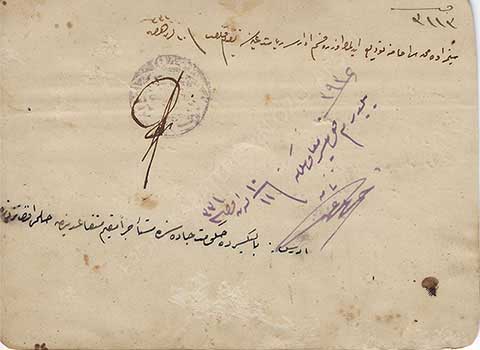
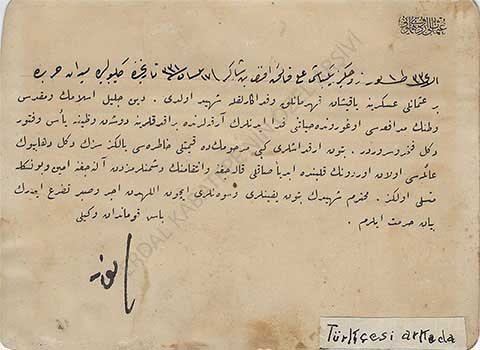
During a pitched battle in Gallipoli on 30 April, 1915, zevciniz (your husband) Major Ali Faik Bey, son of Şakir, Commander of the 1st Battalion of the 33rd Regiment of the Ottoman Padishah Army has died a martyr in glory and sacrifice as befits an Ottoman Officer. The duty for the ones who have been left behind by those who have sacrificed their lives for the sake of the Mighty İslam Religion and defending the holy motherland is not grief and weakness but pride and happiness. Be sure and comfort that, like all his friends have, the decedent’s precious memories will not only live within your heart but also within the heart of his greater family ‘the Army’, and his revenge will be taken from our enemy. As I wish blessing and patience from Allah to the Esteemed Martyr’s whole family and his beloved ones, I present you, my respects.
Acting Commander-in-Chief
Enver
Translated from Ottoman by Colonel Ahmet Naci Kabatepe, the son of the Martyr.
Military Family
Ali Faik was born in 1872, in the town of Livana near Batum. His father was Kolağası (Senior Captain) Şakir Efendi who was sent to the Epirus Front during the 1897 Turkish-Greek War and served in the Dömeke Pitched Battle, the last Ottoman victory, and received a commendation from the Padishah. He spent a part of his childhood in Sirya, Artvin. In the aftermath of the Ottoman-Russian War in 1877-1878 (93 War), he emigrated with his mother and some relatives to Bursa. His father who was a soldier and his sister remained behind. Major Ali Faik Bey after Bursa Military High School, graduated from Istanbul War Academy in 1895. In 1905, he married Fatma Hamdiye Hanım, they had a daughter and a son.
His brother Mehmet Fevzi, who was born in 1891, also became a soldier. Lieutenant Mehmet Fevzi Efendi, too, after Bursa Military High School, graduated from Istanbul War Academy in 1912 as ranking second. They both joined the 1st Balkan War. Major Ali Faik Bey served as the Commander of the 2nd Battalion, 51st Regiment, 17th Division, 6th Manastır Army Corps of the Vardar Army and then the Commander of the 51st Regiment from October 29, 1912 on. Major Ali Faik Bey, besides many fights, led the Soroviç Battle to victory by crawling into the enemy lines by night stroll and was demanded to be awarded by promotion. When the war ended in 1913, he returned to homeland, his wife and his little daughter whom he had taken along with him to the Balkans returned after. Lieutenant Mehmet Fevzi Efendi was captured by the enemy, prisoned in Corfu Island. He made his translations from French and his books his pillow. He returned home during the population exchange.
Both brothers joined the Gallipoli War. Lieutenant Mehmet Fevzi Efendi serving in the 2nd Company, 1st Battalion, 77th Regiment, 19th Division, 3rd Army Corps of the 5th Army, died a martyr due to his 12 wounds he suffered during the Battle of Arıburnu on April 25, 1915. He was 25 years old.
Major Ali Faik Bey couldn't see 1914 born his son Ahmet Naci too much. He was appointed as the Commander of the 1st Battalion, 33rd Regiment, 11th Division, 4th Army Corps of the 5th Army. When he left for the War, his daughter was seven years old, and his son was seven months old. Instead of Regiment Commander Lieutenant Colonel Ahmet Şevki Bey who died a martyr on Thursday, April 29, 1915 he was appointed as the Acting Commander to the 33rd Regiment. On the morning of Friday, April 30, around 10:00 he died a martyr too with a bullet to his forehead at Kabatepe while he was observing the enemy lines. He was 43 years old. He was buried at Çamburnu in Gallipoli.
There was no chance of the son of Major Ali Faik Bey, Ahmet Naci, who faced to take care of his mother, his sister and her two children other than becoming a soldier too. Colonel Ahmet Naci Kabatepe graduated from Bursa Military High School and from Istanbul War Academy on August 30, 1934 as Third Lieutenant, after serving his internship at Maltepe Shooting Academy he was promoted to First Lieutenant on February 28, 1935. After May 27, 1960, he served as the Commander of the 34th Infantry Regiment as well as the the Governor of Bitlis. He also presided as Mayor and Garrison Commander of these administrations. On September 2, 1960, he requested his own retirement. When the Surname Law was enacted in 1934, Ahmet Naci Kabatepe who passed away in 1994 adopted “KABATEPE” as the family name, in reference to Kabatepe where his father died a martyr in the Gallipoli War. He was a very democratic officer. He married Süeda Tamer in 1942. They had a girl and a boy. The only son of Major Ali Faik Bey's only son is Erdal Kabatepe, who prepared this site.
KABATEPE Family is the only family which had lost two officer brothers in the Gallipoli Wars as martyrs.
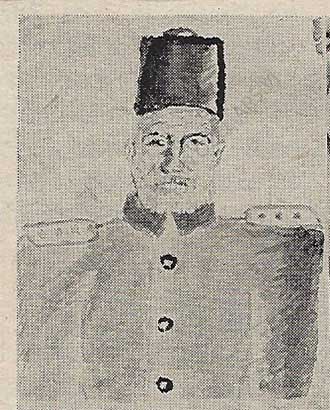
Şakir Efendi
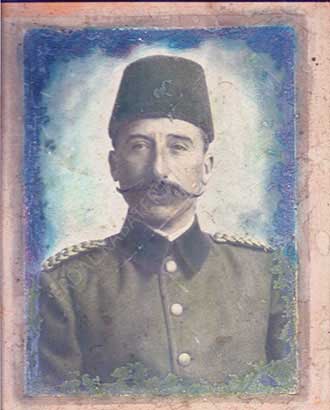
Ali Faik Bey
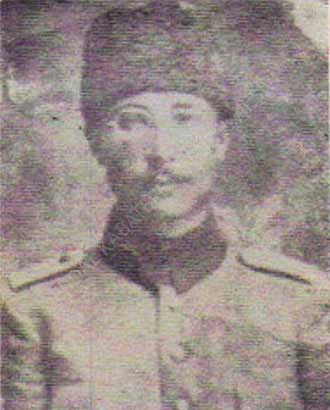
Mehmet Fevzi Efendi
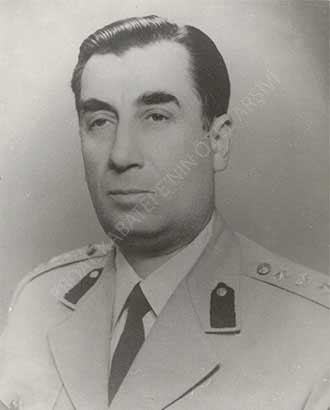
Ahmet Naci
KABATEPE
Military Service Record of Major Ali Faik Bey
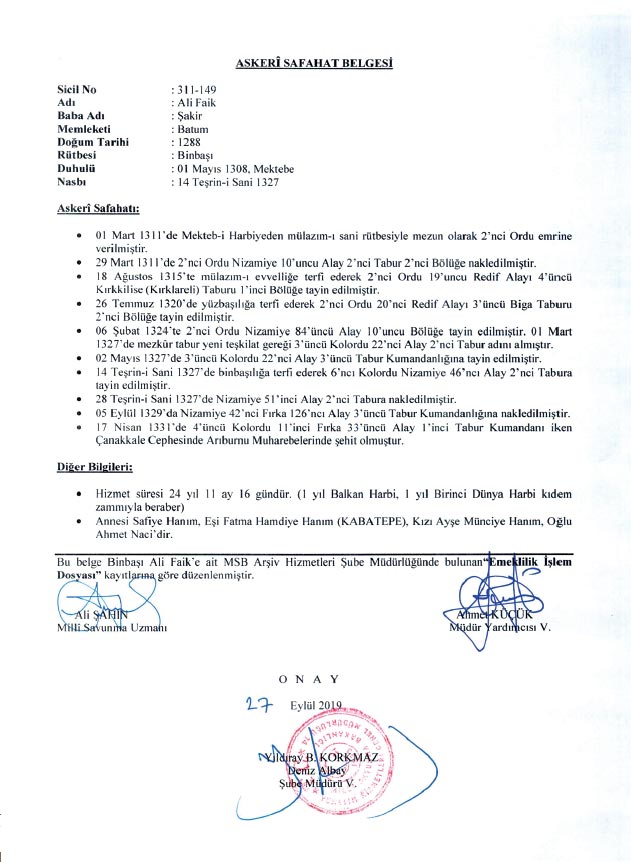
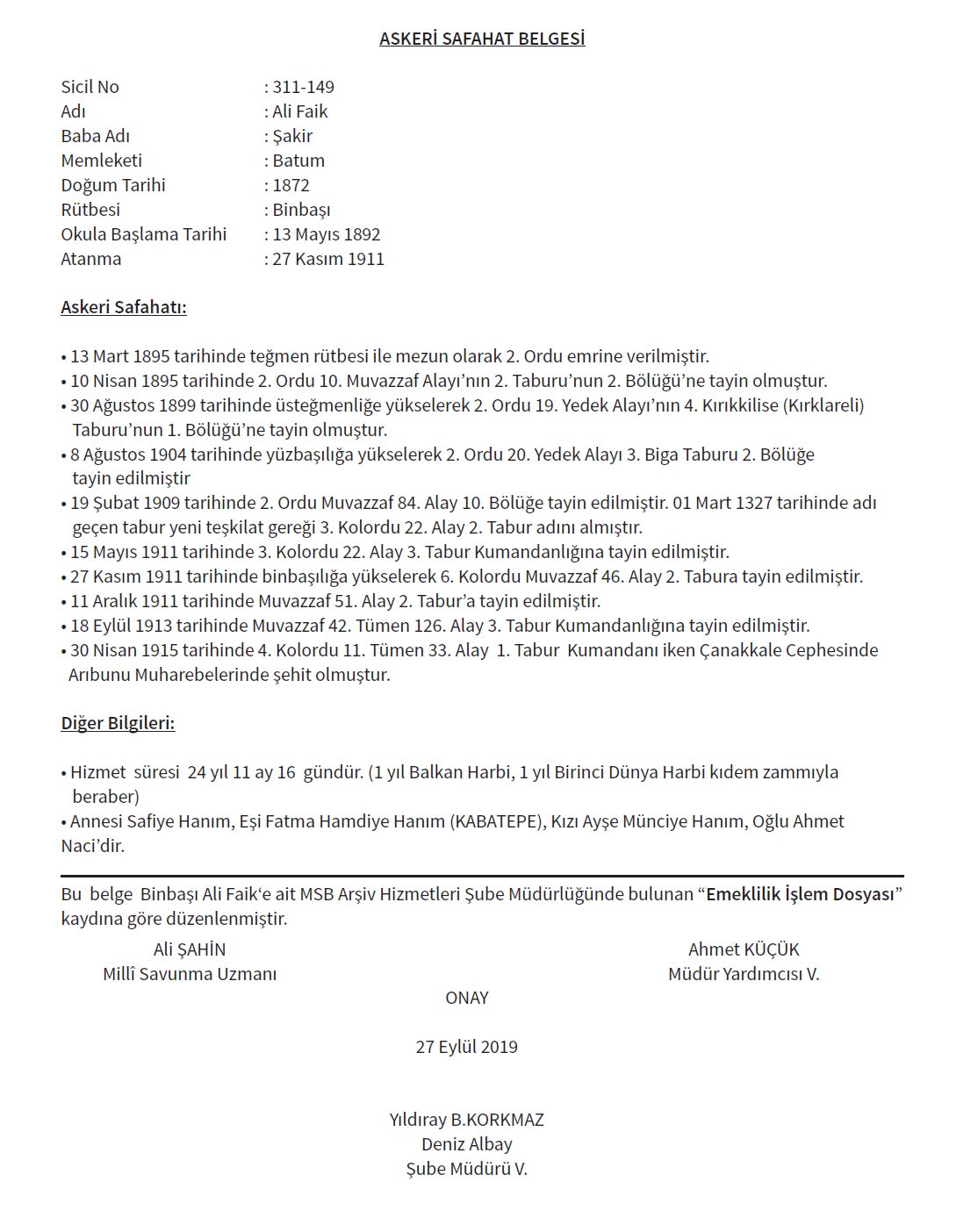
Source: Ministry of National Defense, Directorate General for Administrative Services,
Department of Preventive Affairs, Archive Services Branch Office
Major Ali Faik Bey has been appointed also to the following commanderies which do not take place in his “MILITARY SERVICE RECORDS”:
(1) The Commandery of the 51st Regiment, 17th Division, 6th Manastır Army Corps of the Vardar Army on October 29, 1912.
Source:
- MAJOR ALİ FAİK BEY’S BALKAN WAR DIARY
- UNIT NOTEBOOK NO. 62
Republic of Turkey Ministry of National Defence, Directorate General of Administrative Services - LIFE STORIES OF THE COMMANDERS JOINED THE BALKAN WAR
The Directorate of General Staff Military History and Strategic Study Publications, 2004, Page. 463
(2) The Acting Commandery of the 33rd Regiment, 11th Division, 4th Army Corps of the 5th Army on April 29, 1915 at 8:15 hr.
Source:
- MAJOR ALİ FAİK BEY’S GALLIPOLI WAR DIARY
- GALLIPOLI WARS 19th DIVISION CHRONICLES, 2nd VOLUME, (11.04.1915-07.05.1915)
Turkish Armed Forces General Staff, 2015, Page 125
On November 3, 1912, assuming there had been no Ottoman soldier left in the region, the 5th Greek Division which had been advancing through Manastır, was caught at unawares by an attack of the Ottoman 16-17-18th Nizamiye Divisions of the 6th Corps of the Vardar Army which was retreating and fell back towards Soroviç. The Ottoman Corp, following the Greek Division, launched another attack at Soroviç. On the night of November 5, Major Faik Bey together with his heroic soldiers crawled into the enemy lines. He caught the Greeks off guard. At 6:30 in the morning, while they were all sleeping, he brought to ruin them all. He thus led the Battle of Sorovic to victory. This one of the few Ottoman victories won during the 1st Balkan War. Because of this brilliant feat, it was demanded that Major Ali Faik Bey be rewarded by promotion.
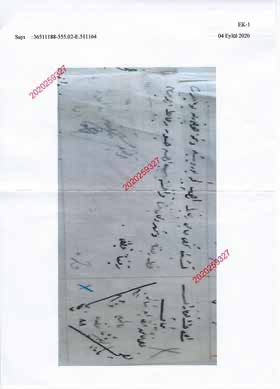
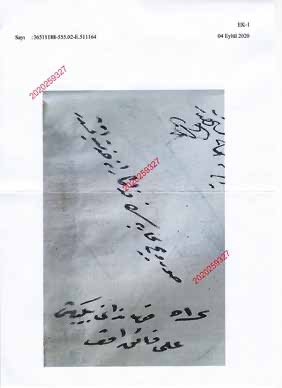
Source: UNIT NOTEBOOK NO.62
“Ceride”s (Dairies) of Major Ali Faik Bey
Balkan Diary
Major Ali Faik Bey used to keep a ceride (diary). Following his appointment as the Commander of the 2nd Battalion of the 51st Regiment during the Balkan War on December 11, 1911 he received order from the Division Commander to join the battalion to the Regiment being organized in Tiran. The Diary covering the period from September 9, 1912 to March 25, 1913 which he started to keep following the named order is within my archives.
.jpg)
Balkan War Diary of Major Ali Faik Bey, Page 6
To the 51st Regimental Commandery
1- From now on, Major Ali Faik Efendi has been appointed to the 51st Regimental Commandery….. Unless any obligation, the orders will be informed by the regimental commandery.
3- As there is only one existing village in this area in order to benefit from, each battalion will mount their primary animals to the most suitable places in the village. While benefiting from the village, both the animals and soldiers will definitely pay attention not to disturb the villagers under any circumstances. Besides, looting will not be allowed. If any looting happens, anyone involved will be informed to the commission and will be punished right away. The battalion and company commanders of these soldiers will be punished too.
Commander, 17th Division
Mirliva Mustafa
Peletuvar, October 29, 1912
Gallipoli Diary
It is very unlikely that a person like Major Ali Faik Bey who kept a daily diary, discontinued it. Didn’t he keep a diary during the Gallipoli War?
In 1931, Miss May Summerbelle published extracts from the diary of a Turkish soldier at the Evening News, Sydney, Australia which she came across to at a museum she worked. (A five-page typed English translation). She did not remember to whom it belonged. The newspaper was closed down in March 1931.
* Completely gathered from publicly available sources and from the section “Extracts from a Dead Turkish Officer’s (Commanding Major, 1st Battalion, 33rd Regiment) Diary covering the 27–30.04.1915 period” published in Australian Light Horse Studies Centre’s “Australian Military History of the Early 20th Century” DESERT COLUMN web page. Copies of all cited documents are available.
* Annie May Costance Summerbelle: (1867-1949) A well-known Australian light and popular music composer. She worked for a museum for some time. She involved herself with repertory theatre groups via the Sydney Press-Women. She is the composer of the favourite Anzac march-song “So-long” that she dedicated to the Australia’s Expeditionary Forces. (Lyrics: John Barr). Her articles also are published in the newspaper Evening News, Sydney. She donated the Extracts from the Diary which she prepared during her work at the Evening News and a set of music pieces including the So-long to the “War Memorial” Museum in 1931.
Where is the dairy?
AUSTRALIAN WAR MEMORIAL
Donated Records List, No. 217 states that the Extracts from the Diary found on a dead Turkish Officer (Commanding Major, 1st Battalion, 33rd Regiment) covering 27.04-30.04.1915 were exhibited in “File Section. Gallipoli.Pd.1. Anzac I.30/4/15.”
In the letter to the Museum dated March 19, 1915, it is stated that the Extracts from the Diary were filed under “Anzac Intelligence, Period 1 of the Gallipoli Operation papers.”
Whom Does The Diary Belong?
THE DIARY BELONGS TO MAJOR ALİ FAİK BEY
How do we reach this conclusion? By examining Australian archive records:
- Nobody questions that the Diary belongs to the Commander of the 1st Battalion, 33rd Regiment. The person to whom the Diary belong is also stated as the same at the headlines of the Extracts at the Diary.
- Which commander of the Battalion?
The Diary starts on April 27, 1915. This was the day that Major Ali Faik Bey joined in the war. Like in his Balkan War Diary, he started his diary on the date he received the order to join the Regiment. The Diary comes to an end on April 30, 1915 the date he died a martyr. If the Diary were written by someone else than Major Ali Faik Bey, then he would continue writing. - To date, no other Commander of the 1st Battalion of the 33rd Regiment has come out as having kept a diary.
- In the second section of the Diary, the following was cited:
“Left Wing Order April 29, 1915
1. Owing to the death of Kaymakam Şevki Bey, the command of the section is now given to me.”
This is the same day that the order of Acting Commandery of the 33rd Regiment has been given to Major Ali Faik Bey (April 29, 1915, 8:15). *
* Source: 19th DIVISION CHRONICLES IN THE GALLIPOLI WARS, 2nd VOLUME, PAGE: 125. (Detail is given in the end of this section.)
Consequently, the “Gallipoli Diary” belongs to Major Ali Faik Bey.
Even what I uncovered so far excites me endlessly. I don’t know how I would feel should my grandfather’s Diary surface someday. From Gallipoli 1915 to Sydney 1931 and now the year 2020! I will wait for it every moment.
The “Australian Light Horse Studies Centre” who published all these on their website responded to none of my queries. They did not care about the applications through official channels either. After so many years, the website remained published and was followed, so if anybody came across, he should have brought the “Ceride” to them. It is very high probability that they have the “Ceride” in their hands, otherwise they would have impatiently raised the topic on their website based on the information I supplied them.
New Development- July 17, 2020:
The Australian War Memorial Research Centre digitized the extracts of the “Ceride” and provided access in its web site.
The Australian War Memorial<https://www.awm.gov.au/collection/C2732325> www.awm.gov.au
AWM25 367/126 - [Written records, 1914-18 War:] [Gallipoli] Extract from a diary found on a dead Turkish Officer (Major Commanding 1st Battalion, 33rd Regiment) Gallipoli 30 November 1915. Article donated to AWM by Miss M. Summerbelle.
Note:
I obtained the information that British, after the Gallipoli War, had taken all the military documents captured to Egypt, burned all the originals after making them to be translated into English there. It is understood that the Diary of Major Ali Faik Bey had been translated completely. Most likely Miss May Summerbelle had obtained the complete translation therefore she made abstracts and published them. This strengthens the possibility that the complete translation of the Diary is in Australia, if not the original.
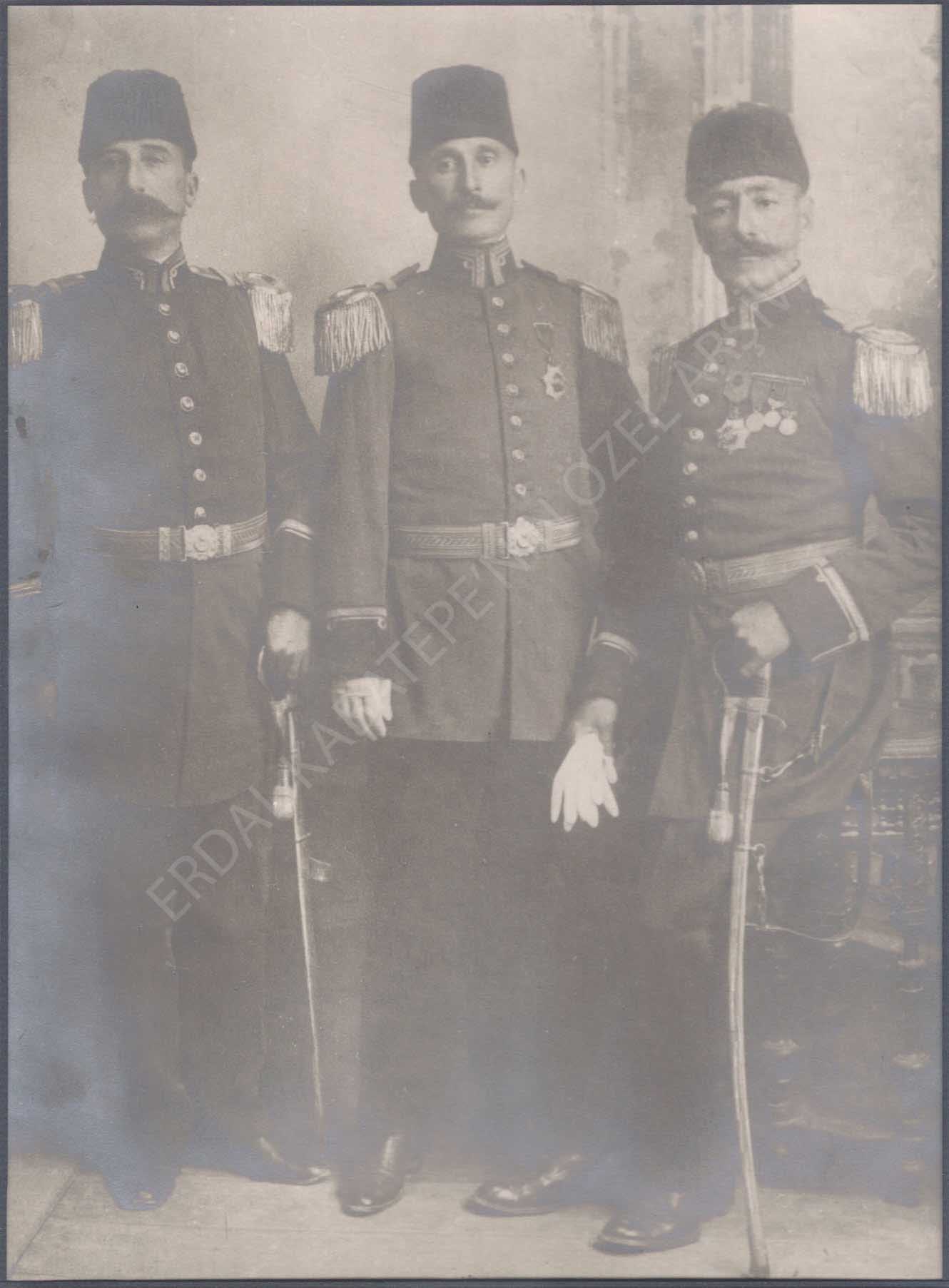
Major Ali Faik Bey
Lieutenant Colonel Ahmet Şevki Bey
(Unknown)
Where is his grave?
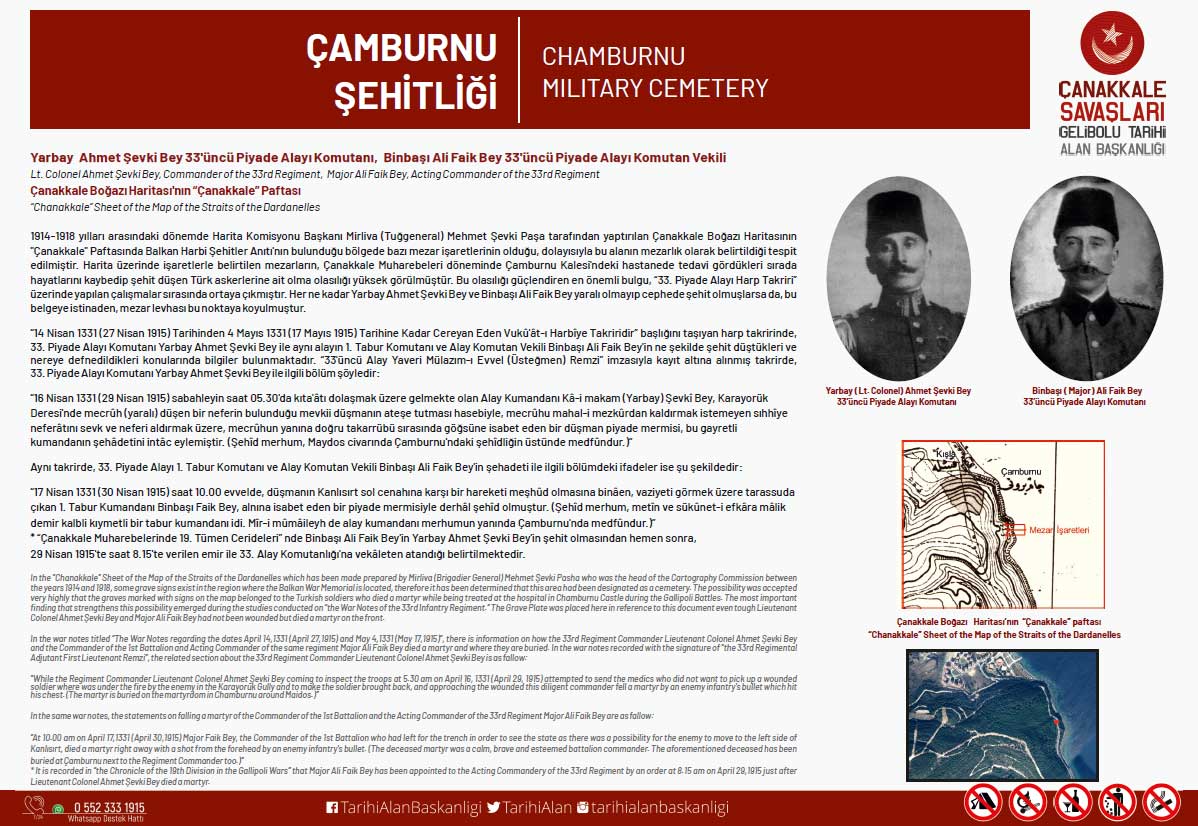
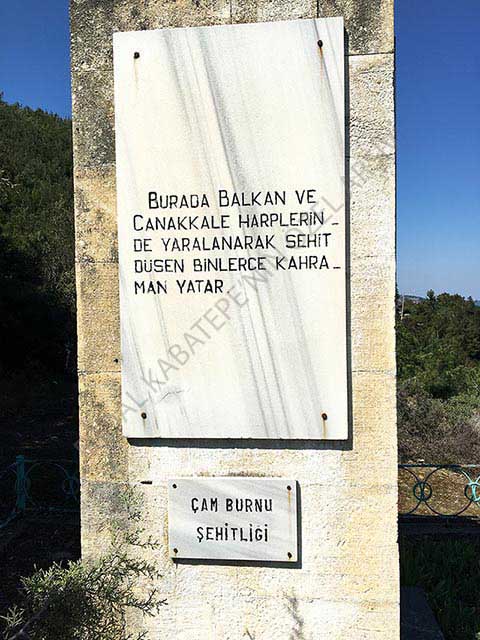
ÇAMBURNU
ŞEHİTLİĞİ
MILITARY CEMETERY
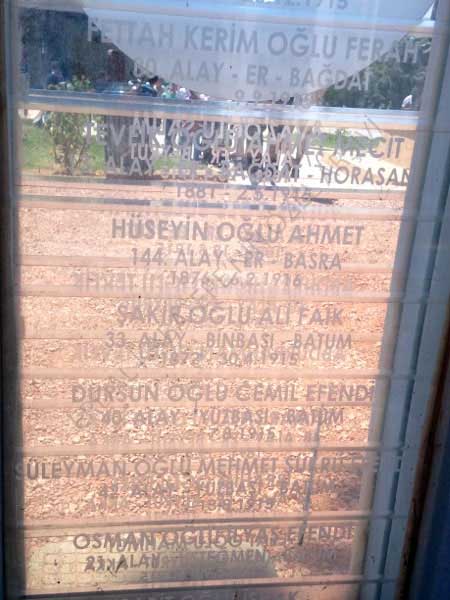
Yarbay Ahmet Şevki Bey 33’üncü Piyade Alayı Komutanı,
Binbaşı Ali Faik Bey 33’üncü Piyade Alayı Komutan Vekili
Lt. Colonel Ahmet Şevki Bey, Commander of the 33rd Regiment,
Major Ali Faik Bey, Acting Commander of the 33rd Regiment
Çanakkale Boğazı Haritası’nın “Çanakkale” Paftası
“Chanakkale” Sheet of the Map of the Straits of the Dardanelles
In the “Chanakkale” Sheet of the Map of the Straits of the Dardanelles which has been made prepared by Mirliva (Brigadier General) Mehmet Şevki Pasha who was the head of the Cartography Commission between the years 1914 and 1918, some grave signs exist in the region where the Balkan War Memorial is located, therefore it has been determined that this area had been designated as a cemetery. The possibility was accepted very highly that the graves marked with signs on the map belonged to the Turkish soldiers who died a martyr while being treated at the hospital in Chamburnu Castle during the Gallipoli Battles. The most important finding that strengthens this possibility emerged during the studies conducted on “the War Notes of the 33rd Infantry Regiment.” The Grave Plate was placed here in reference to this document even tough Lieutenant Colonel Ahmet Şevki Bey and Major Ali Faik Bey had not been wounded but died a martyr on the front.
In the war notes titled “The War Notes regarding the dates April 14,1331 (April 27,1915) and May 4,1331 (May 17,1915)”, there is information on how the 33rd Regiment Commander Lieutenant Colonel Ahmet Şevki Bey and the Commander of the 1st Battalion and Acting Commander of the same regiment Major Ali Faik Bey died a martyr and where they are buried. In the war notes recorded with the signature of “the 33rd Regimental Adjutant First Lieutenant Remzi”, the related section about the 33rd Regiment Commander Lieutenant Colonel Ahmet Şevki Bey is as follow:
“While the Regiment Commander Lieutenant Colonel Ahmet Şevki Bey coming to inspect the troops at 5:30 am on April 16, 1331 (April 29, 1915) attempted to send the medics who did not want to pick up a wounded soldier where was under the fire by the enemy in the Karayorük Gully and to make the soldier brought back, and approaching the wounded this diligent commander fell a martyr by an enemy infantry’s bullet which hit his chest. (The martyr is buried on the martyrdom in Chamburnu around Maidos.)”
In the same war notes, the statements on falling a martyr of the Commander of the 1st Battalion and the Acting Commander of the 33rd Regiment Major Ali Faik Bey are as follow:
“At 10:00 am on April 17, 1331 (April 30, 1915) Major Faik Bey, the Commander of the 1st Battalion who had left for the trench in order to see the state as there was a possibility for the enemy to move to the left side of Kanlısırt, died a martyr right away with a shot from the forehead by an enemy infantry’s bullet. (The deceased martyr was a calm, brave and esteemed battalion commander. The aforementioned deceased has been buried at Çamburnu next to the Regiment Commander too.)”
* It is recorded in “the Chronicle of the 19th Division in the Gallipoli Wars” that Major Ali Faik Bey has been appointed to the Acting Commandery of the 33rd Regiment by an order at 8:15 am on April 29, 1915 just after Lieutenant Colonel Ahmet Şevki Bey died a martyr.
Directorate of Çanakkale Wars Gellipoli Historic Site
Erdal Kabatepe’s Note:
It is clearly pointed out that the Grave Plate was placed here in reference to the outcome of the studies conducted on “the War Notes of the 33rd Infantry Regiment.”; in fact, the possibility was accepted very highly that the graves marked with signs on the map belonged to the Turkish soldiers who died a martyr while being treated at the hospital in Chamburnu Castle during the Gallipoli Battles and even tough Lieutenant Colonel Ahmet Şevki Bey and Major Ali Faik Bey had not been wounded but died a martyr on the front.
On this issue, it is stated in the “33rd Regiment War Notes” that (The martyr has been buried above the martyrdom at Çamburnu around Maydos.) Here the statement is “above the martyrdom”, not “on the martyrdom”. Therefore, it will be more appropriate to interpret the statement here as “the upper part of the martyrdom”. In connection, the possibility is higher that the place intended is on the slope behind the existing point of the grave.
News
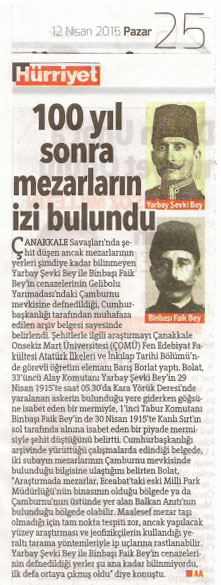
Owing to the document archived by the Presidency, it has been determined that the corpses of Lieutenant Colonel Şevki Bey and Major Faik Bey, who had fallen a martyr in the GALLIPOLI Wars but whose graves are unknown until now, were buried at Çamburnu spot which is located on the Gallipoli Peninsula.
Barış Bolat, a lecturer at Çanakkale Onsekiz Mart University (ÇOMÜ), Faculty of Science and Literature, Department of Ataturk’s Revolutions and History of Revolution had carried out the research on martyrs. Borlat stated that while Lieutenant Colonel Şevki Bey, Commander of the 33rd Regiment was on his way to Kara Yörük Deresi (Legge Valey) on April 29, 1915 at 05:30, the location where a wounded soldier remained, he had fallen a martyr by a bullet on his chest, and that Major Faik Bey, Commander of the 1st Battalion had fallen a martyr by an infantry’s bullet on his forehead on April 30, 1915 at a spot on the left side of Kanlısırt (Lone Pine). In the document he obtained during the studies he carried out in the Presidential archives, Borlat stated he had found out that the graves of the two officers had been found at Çamburnu spot as he expressed, “Within the research, the graves might be in the area where the former National Park Directorate of Eceabat was located or in the area where the Balkan Monument is located above the Çamburnu spot. Unfortunately, since there are no tombstones, it is difficult to pinpoint the exact spot, but clues can be found with a surface survey and underground scanning methods used by geophysicists. The places where the corpses of Lieutenant Colonel Şevki Bey and Major Faik Bey had been buried have not been known until now, it has been revealed for the first time.”
Source: (Hürriyet)
This news appeared in Hürriyet in April 2015. Despite several attempts, I could not get in touch with lecturer Barış Borlat, who is the source for this news. Therefore, I could not obtain any information regarding this source other than the one in the news. It is known that there was a medical tent a Çamburnu, where the wounded were treated. Therefore, it may be possible that those among the treated who had lost their lives were buried on that spot, but Major Ali Faik Bey had fallen a martyr on his way to Kanlı Sırt front located at Kabatepe. Under the current circumstances, it is not possible that his corpse was carried there in Çamburnu.
On the other hand, it should be mentioned that the War Notes of the 33rd Regiment recorded with the signature of “the 33rd Regimental Adjutant First Lieutenant Remzi had not been kept daily. In fact, in the days of 29th and 30th of April Adjutant First Lieutenant Remzi was away for another duty, therefore the War Notes have several misleading information.
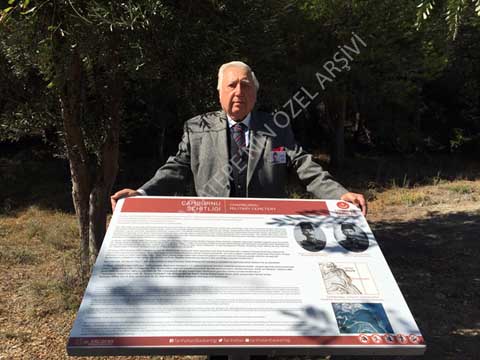
Early on 2019, the Directorate of Gallipoli Wars Historical Site had erected monumental signboards at many places. One of them belongs to Major Ali Faik Bey. On this signboard there are details parallel to the abovementioned information. However, possibility of mass graves at Çamburnu is currently being discussed. Could it have been carried there later? We will wait till the end of the research.
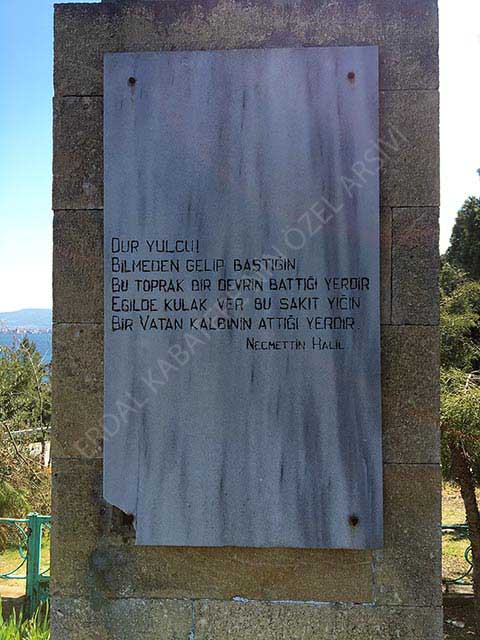
Ey şehid oğlu şehid, isteme benden makber,
Sana âguşunu açmış duruyor Peygamber.
Mehmet Akif ErsoySana dar gelmiyecek makberi kimler kazsın?
'Gömelim gel seni tarihe' desem, sığmazsın.
(What about) Medal
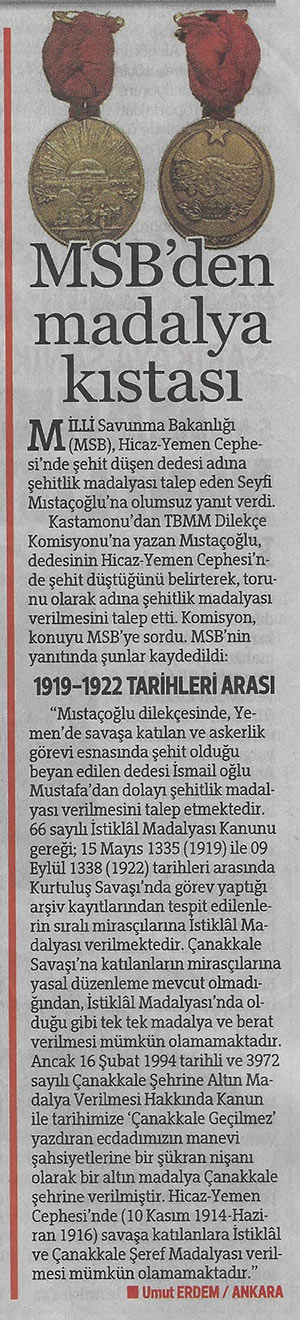
The Ministry of National Defense has given an unfavorable reply to Seyfi Mıstaçoğlu, who had demanded a martyr’s medal for his grandfather who had fallen a martyr at the Hejaz-Yemen Front.
Mıstaçoğlu, who is from Kastamonu, wrote to the Petition Commission of the Grand National Assembly of Turkey stating that his grandfather had fallen a martyr at Hejaz-Yemen Front and as being his grandson, he demanded a martyr’s medal to be presented in the name of his grandfather. The commission asked the issue to the Ministry of National Defense. In the response of the Ministry of National Defense the following was stated:
BETWEEN 1919-1922
"In his petition, Mıstaçoğlu requests a martyr's medal be given to his grandfather Mustafa, son of İsmail, who had joined war in Yemen and was declared a martyr during his military service. By the War of Independence Medal Law numbered 66; an Independence War Medal is presented to the consecutive inheritors of those identities have been confirmed from the archive records, having served during the War of Independence from May 15, 1919 to September 9, 1922. As there is no legal regulation for the inheritors of those who have served in the Gallipoli Wars, there is no possibility of presenting a medal and certificate individually as the Independence War Medal. In gratitude for the spiritual characters of our ancestors who has carved the words “Çanakkale is Impassable” in our history, a golden medal has been awarded to the city of Çanakkale by the law 3972 on Award of a Gold Medal to the city of Çanakkale on February 16, 1994. There is no possibility awarding a War of Independence Medal and a Çanakkale Medal of Honor to those who have joined the war at Hejaz-Yemen Front (November 10, 1914-June 1916)."
Author: Umut ERDEM / ANKARA
Source: (Hürriyet)
Gallipoli Medal
The martyrs and veterans of the Entente Powers and their supporting countries who were participated in the Gallipoli War or gave supporting service were awarded with the Gallipoli Medal or Pin. The Germans, acting together with the Ottomans, awarded to the soldiers participated and the civilians for performing military functions. The winners of the war, Turks, were not awarded with a medal until today. Only Ottoman Imtiyaz, Liyakat and War Medal might have been given to a few people. (The number could not be obtained).
Every Anzac soldier who served on the Gallipoli Peninsula, or in direct support of operations there - or his family if he did not survive until into the late 1960s - was entitled to be issued with the Anzac Commemorative Medallion. The descendant of an Anzac soldier still be entitled to claim the medallion.
It can be said that the number of the distributed medals and pins of the Entente Powers directly connected to the Gallipoli War is over 20 million and including those directly connected to the Gallipoli War among generally distributed ones between 1914 and 1918 the total is much higher.
German medals were awarded to civilians too for performing military functions besides soldiers. The number of the German Iron Cross were given between 1914 and 1918 was 5.414.004.
For awarding a medal to the martyrs and veterans of the Gallipoli War, Erdal Kabatepe sent a letter to the related politicians on October 12, 2020.
A bill on “Awarding Medal of Honor to the Participants of the Gallipoli War” was introduced to the Grand National Assembly of Turkey on December 10, 2020. Today it is in the Commission of National Defense.
WOULD THE WAR OF INDEPENDENCE HAVE OCCURRED?
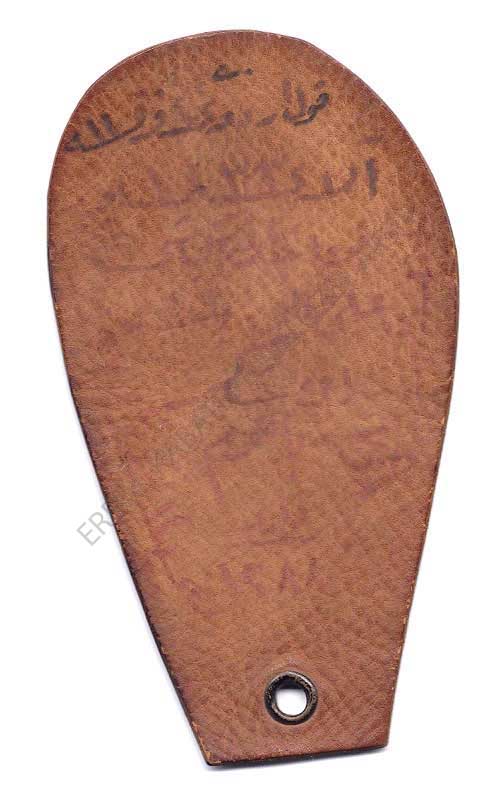
1st Battalion 33rd Regiment
11th Division 4th Army Corps
Major Ali Faik, son of Şakir,
Born in Batum, 1872